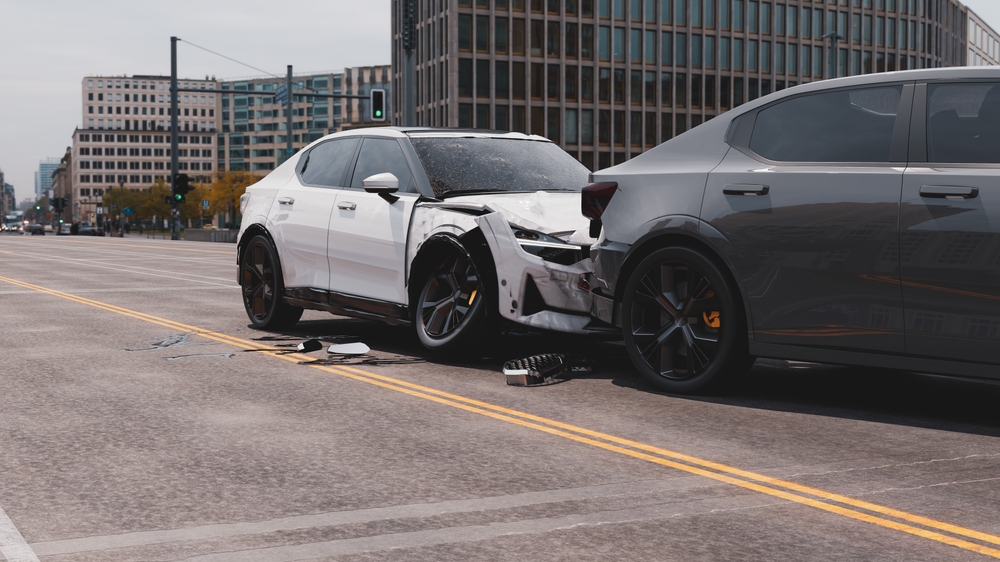

Recovering from a car crash takes time, patience, and support. Insurance companies often push injured drivers to accept quick, low settlements that fall short of what they need. That pressure can feel overwhelming. You need a strong plan that protects your rights at every step.
A Philadelphia car accident attorney can guide your case, deal with the insurer, and give you the space to focus on healing.
Key Takeaways for Philadelphia Car Accident Attorney
- Strict adherence to your doctor’s treatment plan provides evidence to support your claim.
- Staying off social media prevents the defense team from twisting your posts against you.
- Keeping a daily journal of your symptoms proves how the injury limits your life.
- Gathering all crash reports and medical receipts now prevents critical details from getting lost.
- A Philadelphia car accident attorney shields you from aggressive insurance adjusters and tactics that devalue your claim.
4 Steps To Take After a Car Crash in Philadelphia
Recovery takes more than rest. You’ll have to deal with paperwork, deadlines, and calls from the insurance company while your body heals. A Philadelphia car crash attorney steps in early to guide these important first steps and keep your claim on track.
Taking specific actions strengthens your position:
- Follow Medical Orders: You must attend every scheduled follow-up appointment to validate the extent of your injuries.
- Avoid Social Media: Insurance adjusters monitor your online profiles for photos or posts that contradict your injury claims.
- Organize Case Files: Create a dedicated folder for your crash-related documents, receipts, and hospital discharge papers.
- Contact a Lawyer: A Philadelphia car accident attorney can provide guidance and protection during the claims process. Let your attorney take over all communication with adjusters to prevent them from recording a damaging statement.
Analyzing Crashes on Philadelphia Highways
Philadelphia drivers deal with unique hazards every day. The highway where your crash occurred can shape your case, as traffic patterns, construction zones, and the road’s layout may all help establish who was at fault.
Risks on the Schuylkill Expressway
The Schuylkill Expressway presents constant dangers. The narrow lanes and limited shoulders near the Conshohocken curve give drivers very little room to react when traffic shifts without warning. Sudden traffic slowdowns near the Walt Whitman Bridge approach have led to rear-end collisions.
Dangers on I-95
Construction projects often change the traffic flow on I-95. Shifting patterns near the Cottman Avenue exit have added confusion for many drivers and have contributed to lane change mistakes. Speeding also creates serious risks on the less crowded stretches of the Delaware Expressway through South Philadelphia.
Pennsylvania Auto Insurance Laws
Pennsylvania uses a complex system for auto insurance, and your policy choices affect your ability to seek compensation. A Philadelphia car accident attorney can review your specific coverage to determine your options.
Policyholders in Pennsylvania select either limited tort or full tort coverage. Limited tort restricts your right to sue for pain and suffering unless you sustain a serious injury. Full tort allows you to seek compensation for pain regardless of the injury’s severity.
Insurance companies often argue that your injuries don’t meet the serious threshold under limited tort to avoid paying out a claim.
Operating Under Comparative Negligence
Pennsylvania follows a modified comparative negligence rule, which reduces your compensation if the court finds you partially at fault. If an insurer (or sometimes a jury) decides you bear 51% or more of the blame, you receive nothing.
Due to this rule, defense lawyers frequently try to shift blame onto the victims. They might argue you merged improperly or drove too fast for conditions.
How a Philadelphia Car Accident Attorney Helps With Your Claim
Handling a legal claim involves strict deadlines and complex paperwork. A qualified attorney takes this burden off your shoulders so you can focus on recovery.
Here’s how a personal injury lawyer can help you:
- Investigating the Scene: Your lawyer sends investigators to the crash site to photograph skid marks, road debris, and signage. They also secure video footage from nearby businesses or traffic cameras before systems delete the data.
- Calculating Total Damages: Your attorney reviews every medical bill and consults with financial professionals to project future losses. This calculation includes lost wages and the cost of ongoing physical therapy or surgeries.
- Handling Insurance Communications: Your legal counsel manages all phone calls and emails with the insurance company to protect your interests. Their representation stops adjusters from manipulating your words or pressuring you into a lowball settlement.
- Negotiating Settlement Offers: Your lawyer presents strong evidence to the insurance defense lawyers to demand full compensation, rejecting inadequate offers and presenting counter-arguments that reflect the true value of your injury.
- Litigating in Court: An attorney presents your case to a judge and jury if the insurance carrier denies a fair settlement. They cross-examine witnesses and deliver arguments that highlight the other driver’s negligence.
FAQ for Philadelphia Car Accident Attorney
When Do I Need a Philadelphia Car Accident Attorney?
You benefit from legal counsel immediately after receiving medical care because early involvement allows your lawyer to preserve evidence before it disappears. Witnesses forget details, and surveillance videos get deleted over time.
A lawyer also stops insurance adjusters from pressuring you into a low settlement offer.
How Does Limited Tort Affect My Claim?
Limited tort coverage makes claiming non-economic damages difficult. You must prove your injury resulted in a serious impairment of body function. This definition often leads to legal disputes, but a lawyer can gather medical evidence to prove your injuries meet this strict state standard.
What Happens if the Other Driver Lacks Insurance?
Many Philadelphia drivers operate vehicles without insurance, but you may have Uninsured Motorist (UM) coverage on your own policy. This coverage pays for your losses when the at-fault driver cannot. Your lawyer files a claim against your own insurance company to access these funds.
Can I Claim Damages for Future Medical Care?
Yes, the law permits you to seek funds for anticipated medical treatments. Serious injuries often require years of therapy or future surgeries, so your lawyer works with medical professionals to estimate these long-term costs.
We include these projections in your settlement demand to protect your financial future.
Call Shipon Law Associates Today
Insurance companies start building their defense the moment you report the accident. You need a dedicated team to champion your interests. Shipon Law Associates fights for injured drivers across Philadelphia.
We know how to build a strong car accident claim and will advocate for your interests every step of the way. Call Shipon Law Associates at (215) 708-1234 for free and learn how our team can help your claim.